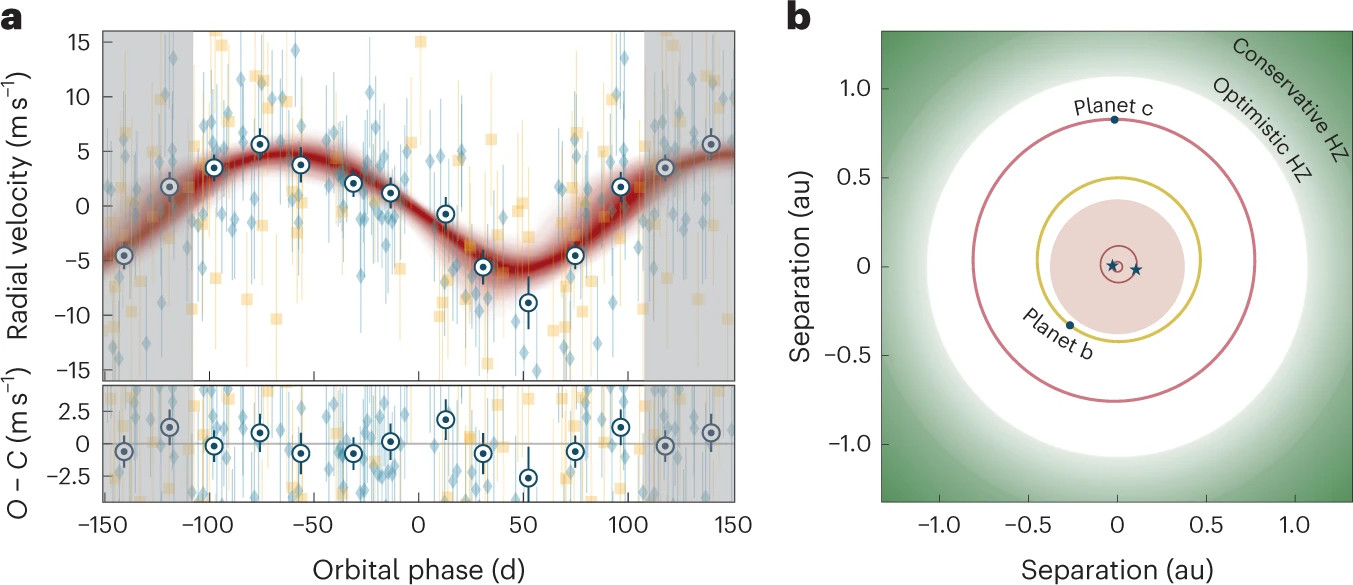
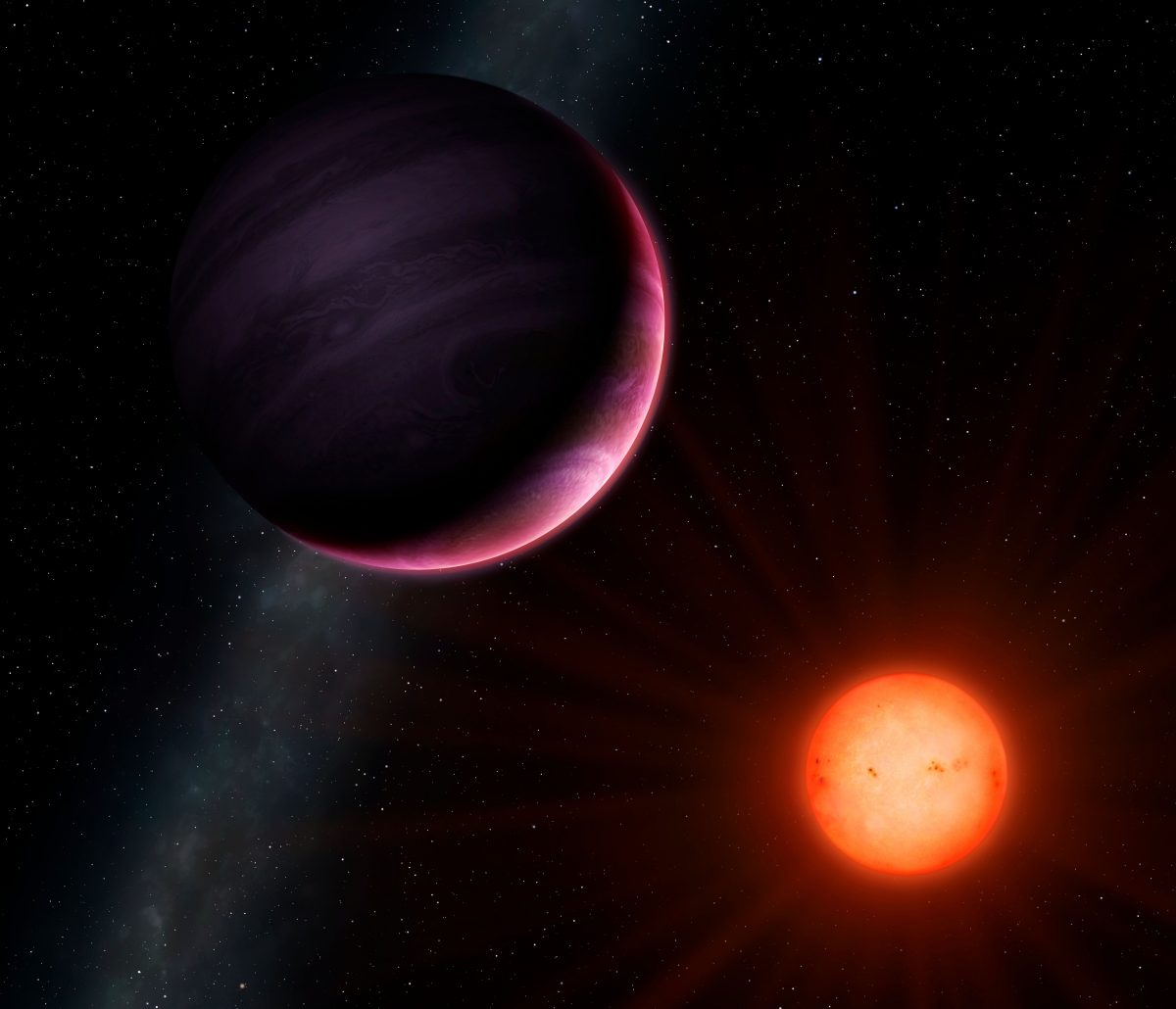
Circumbinary planets: an overview and recent results from radial velocities Circumbinary planets: an overview and recent results from radial velocities
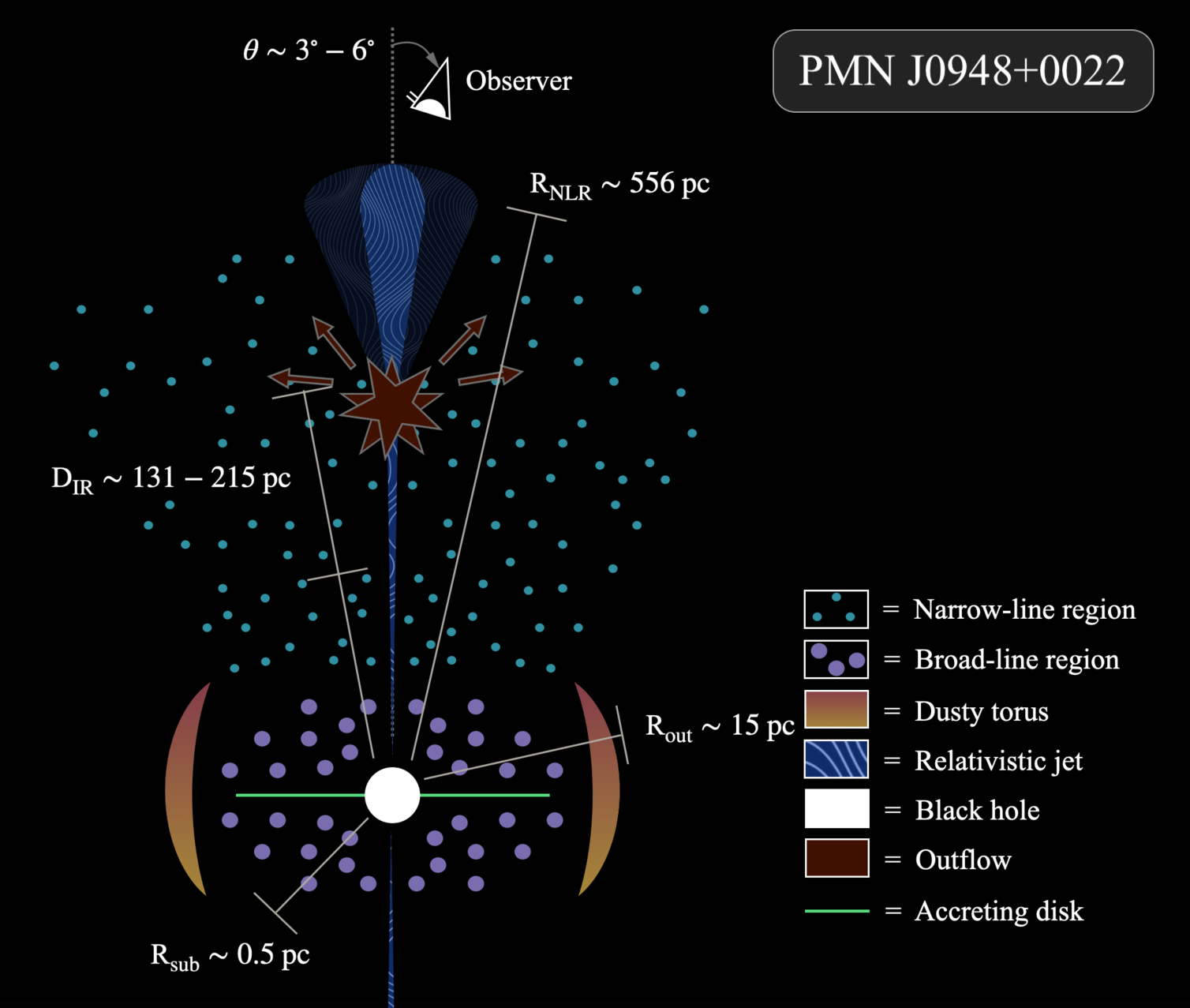
Interaction of the relativistic jet and the narrow-line region of PMN J0948+0022 Interaction of the relativistic jet and the narrow-line region of PMN J0948+0022
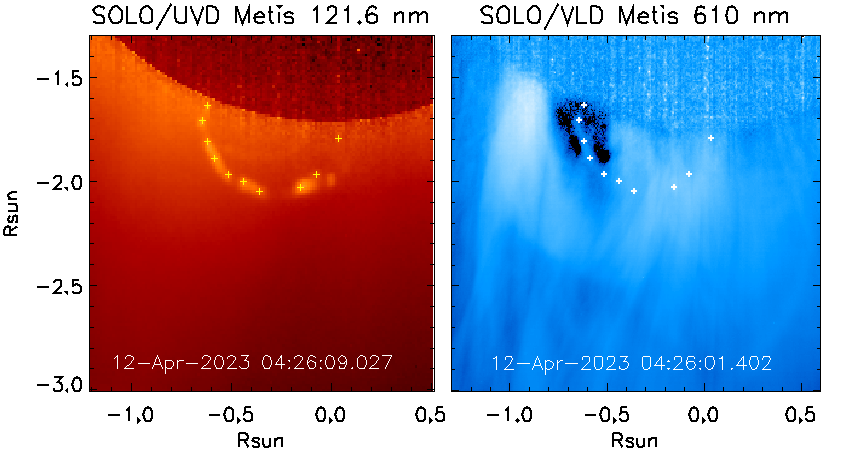
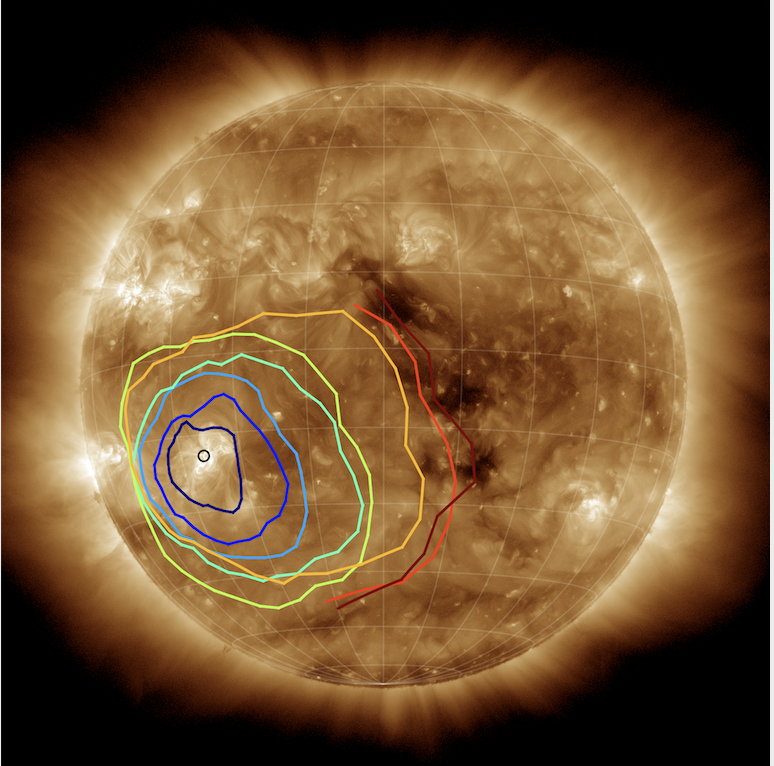
SEMINARIO Giovedì 21 Marzo 2024, ore 11.00 “Observation of an erupting prominence as observed by Solar Orbiter Metis and ASO-S SDI instruments” SEMINARIO Giovedì 21 Marzo 2024, ore 11.00 “Observation of an erupting prominence as observed by Solar Orbiter Metis and ASO-S SDI instruments”
SEMINARIO Martedì 5 Marzo 2024, ore 11.00 “MIRTA – Mappa Interattiva delle Risorse Tecnologiche per l’Astrofisica” SEMINARIO Martedì 5 Marzo 2024, ore 11.00 “MIRTA – Mappa Interattiva delle Risorse Tecnologiche per l’Astrofisica”
SEMINARIO Giovedì 18 Gennaio 2024, ore 11.00 “Deconstructing EUV Waves”” SEMINARIO Giovedì 18 Gennaio 2024, ore 11.00 “Deconstructing EUV Waves””
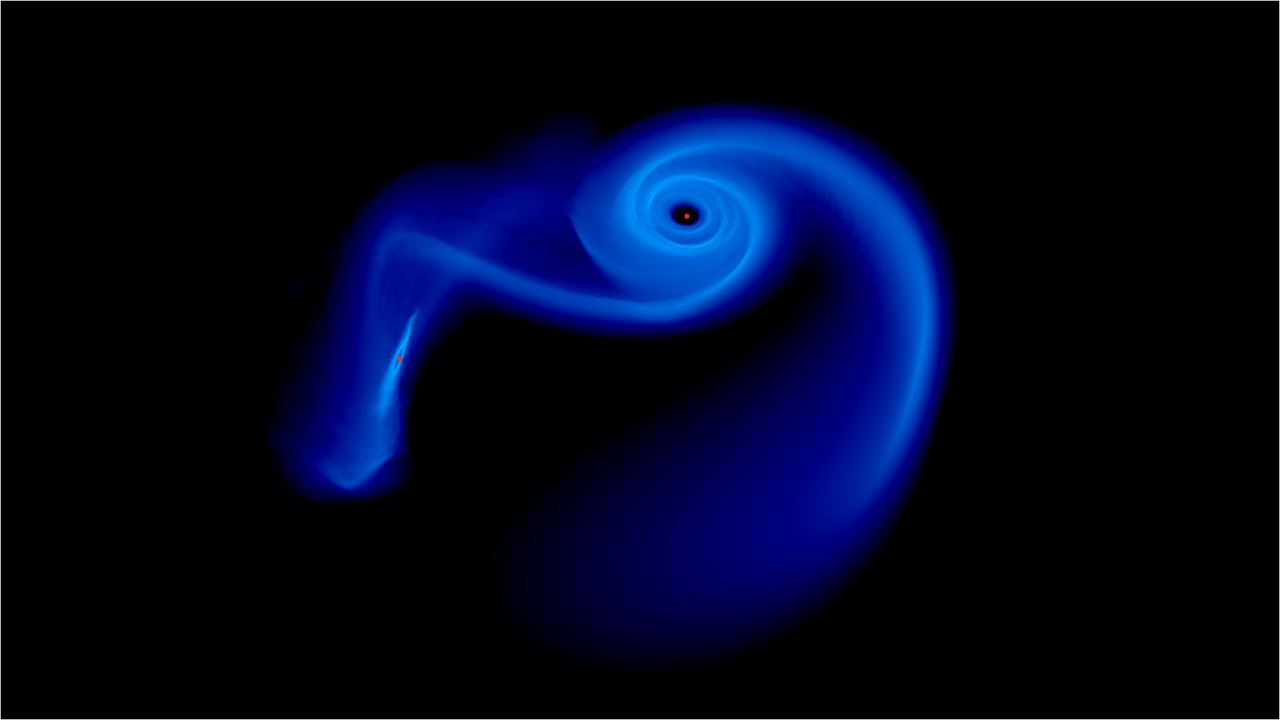
SEMINARIO Giovedì 11 Gennaio 2024, ore 11.00 “Stars, discs & exoplanets in multiple stellar systems” SEMINARIO Giovedì 11 Gennaio 2024, ore 11.00 “Stars, discs & exoplanets in multiple stellar systems”
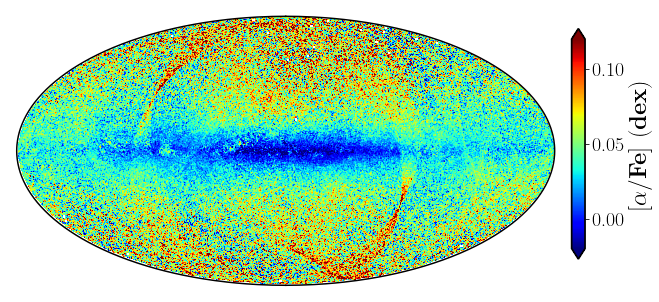
SEMINARIO Giovedì 14 Dicembre 2023, ore 11.00 “Chemical abundances as efficient tracers for studying galactic evolution” SEMINARIO Giovedì 14 Dicembre 2023, ore 11.00 “Chemical abundances as efficient tracers for studying galactic evolution”
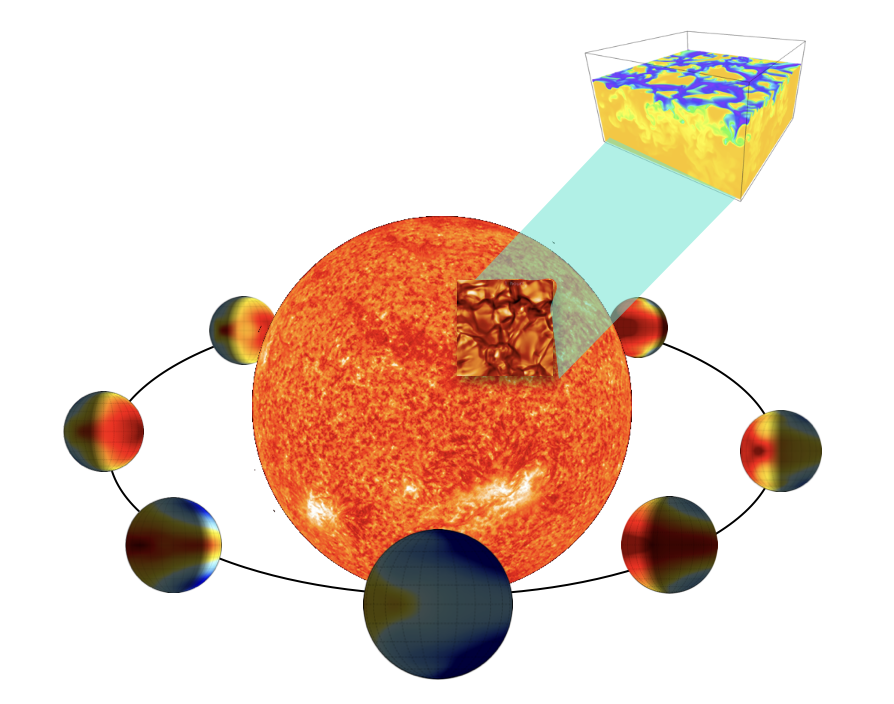
SEMINARIO Giovedì 7 Dicembre 2023, ore 15.30 – A viewpoint on modeling stellar atmospheres and their impact on planets SEMINARIO Giovedì 7 Dicembre 2023, ore 15.30 – A viewpoint on modeling stellar atmospheres and their impact on planets
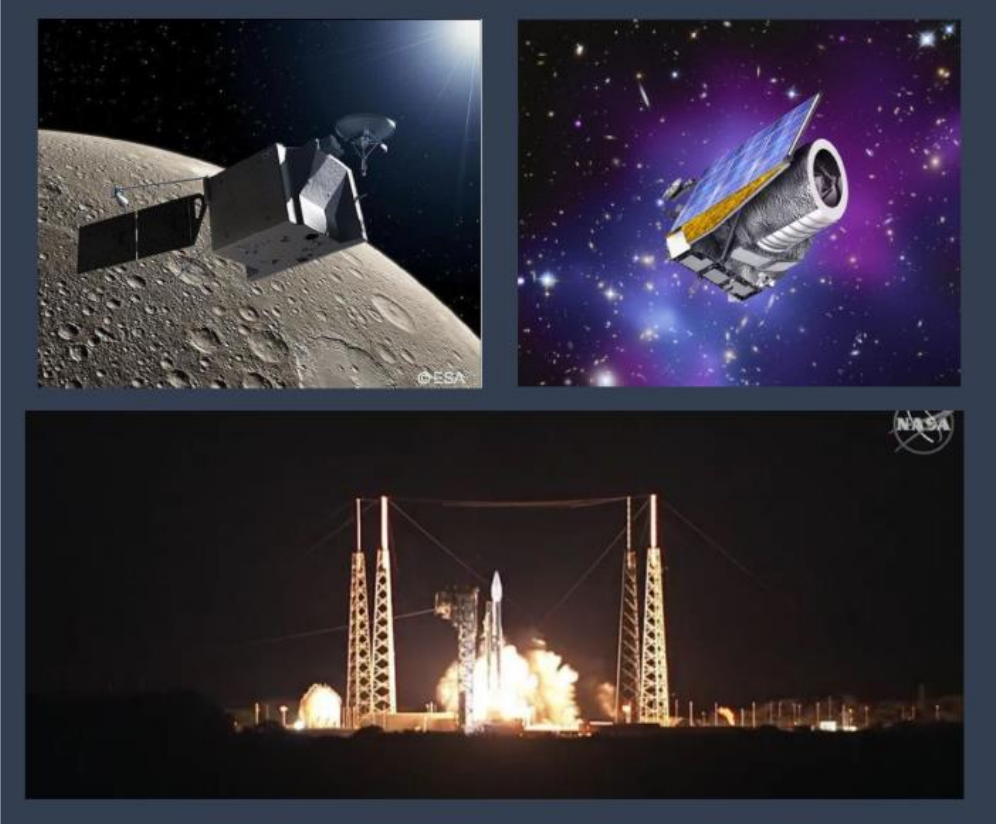
SEMINARIO Giovedì 26 Ottobre 2023, ore 11.00 “Space Science missions at Thales Alenia Space” SEMINARIO Giovedì 26 Ottobre 2023, ore 11.00 “Space Science missions at Thales Alenia Space”
SEMINARIO Giovedì 12 Ottobre 2023, ore 11.00 “Reanalyzing the Circumstellar Habitable Zone edges with the EOS-ESTM climate model” SEMINARIO Giovedì 12 Ottobre 2023, ore 11.00 “Reanalyzing the Circumstellar Habitable Zone edges with the EOS-ESTM climate model”