
260220.ALMA-JWST-VLT-join-forces-to-understand-planet-formation
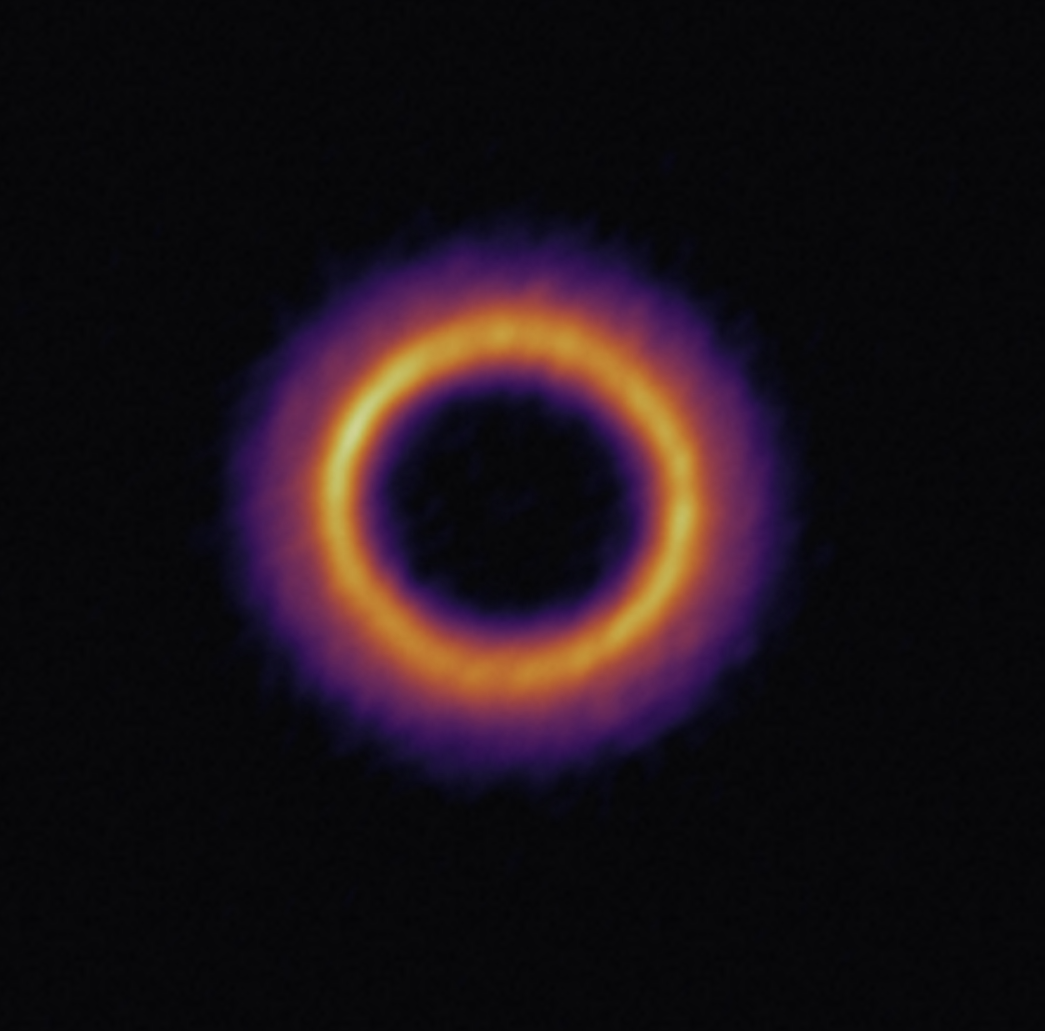
The twin energy jets shooting out of the young protostar system HH 211 could solve a major mystery about how stars form. (Image credit: Lee et al.)
Nicolas Kurtović
Max Planck Institute for Astronomy, Heidelberg, DE
Abstract
Exoplanets are a common outcome of the star-formation process.
Some of the most relevant properties of planetary systems are set during their formation: the number of planets, their mass, composition, and planetary architecture.
In this talk, I will focus on what we have learned about planet formation around the most common type of stars: late M-dwarfs and binaries, and how the combination of the latest ALMA, JWST, and VLT observations gives us a full picture of the planet-formation environment.
Referente locale: Maximiliano Dirk Vega Aguilera