|
|
|
|---|
by Gabriella Bernardi
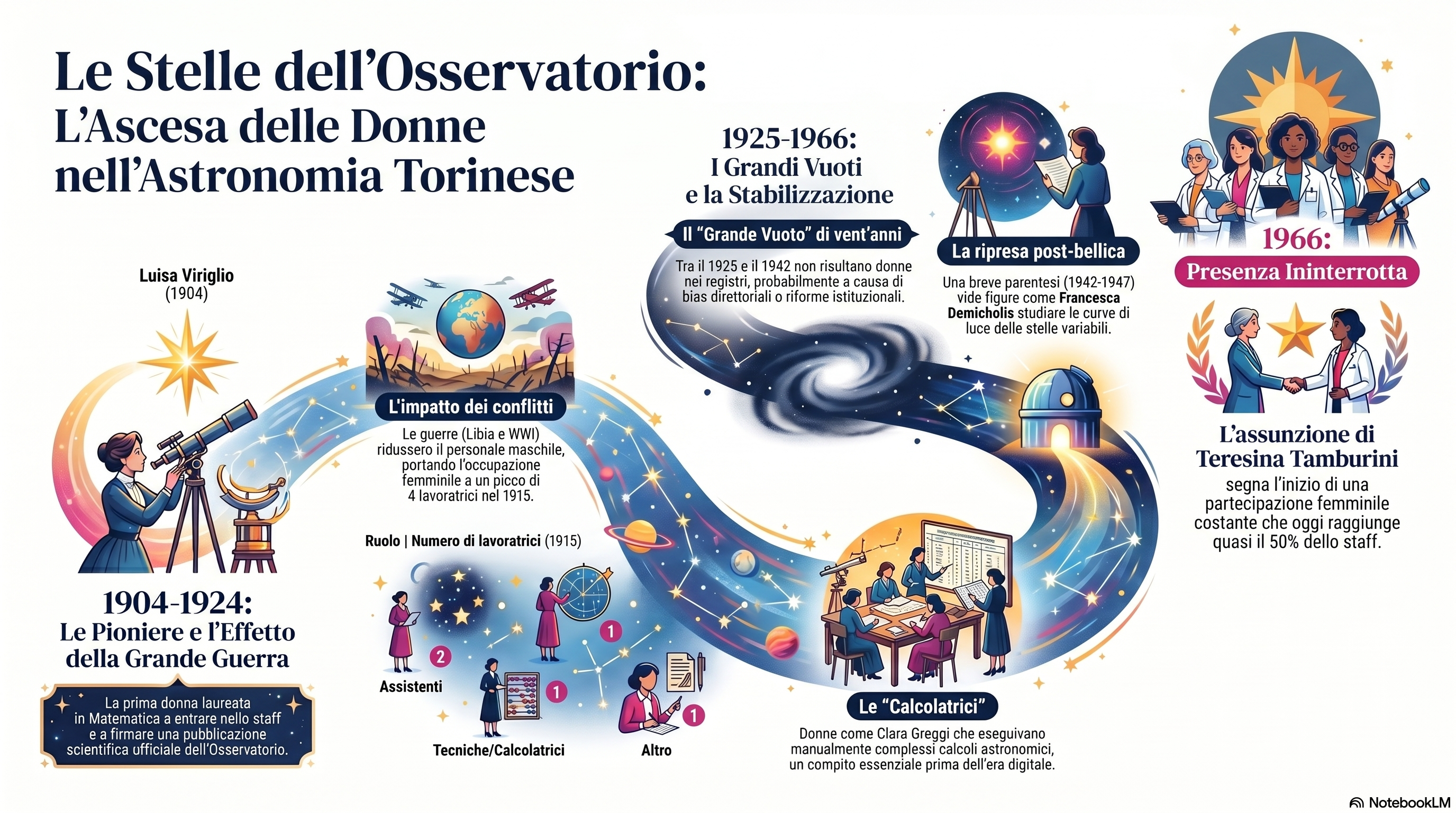
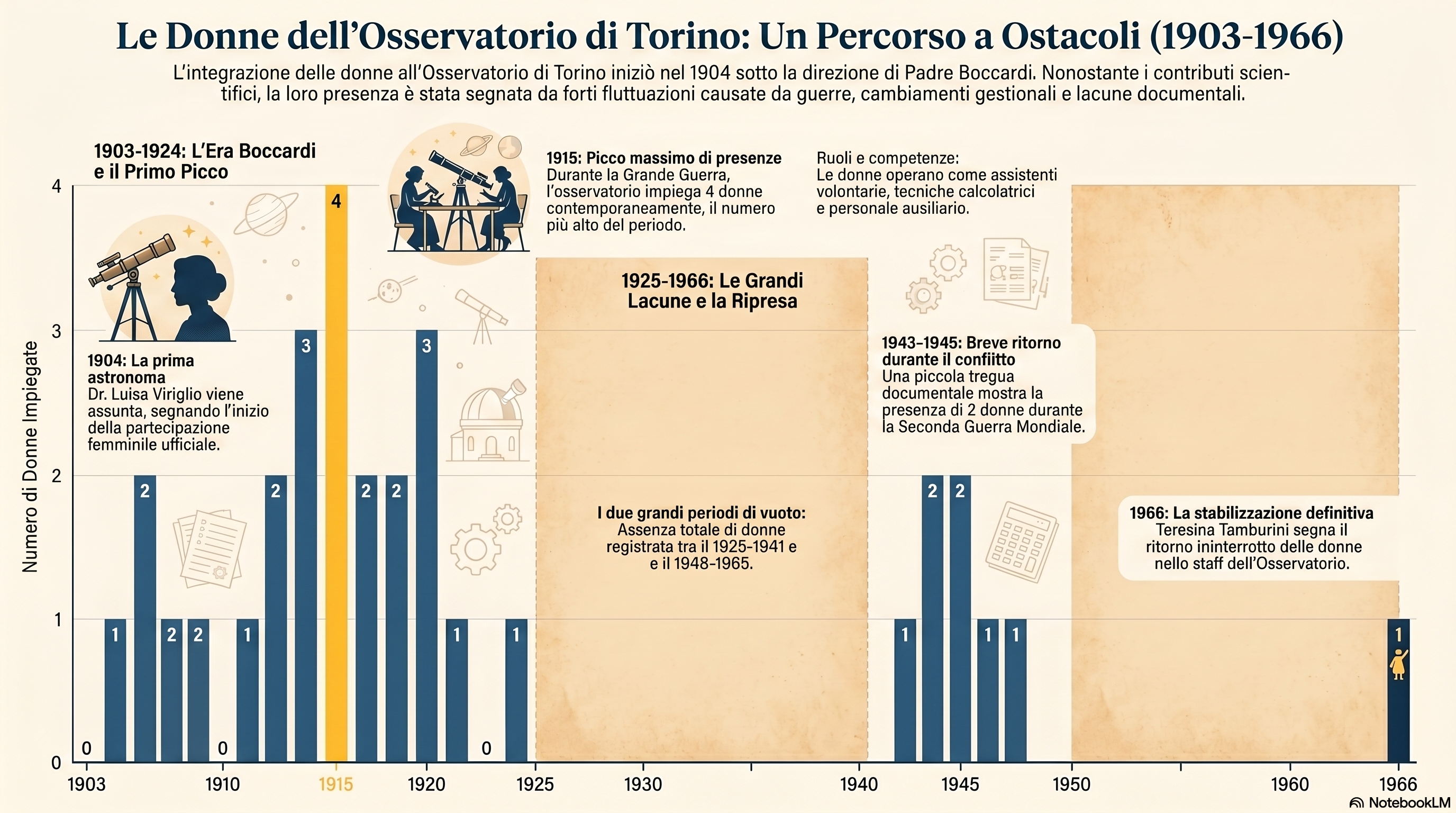
At the beginning of the 20th century, the Turin Astronomical Observatory experienced a landmark turning point marked by its relocation to the remote hill of Pino Torinese and the opening of its doors to female staff. Under the leadership of Father Giovanni Boccardi—who frequently appeared as the recording professor for their university degree exams—a small group of pioneers shattered the rigid academic taboos of the era.
The first was Luisa Viriglio, who in 1905 authored the first scientific paper by a woman in Italy in the field of positional astronomy. Following in her footsteps, several young mathematics graduates—including Fasciotti, Greggi, Castelli, Comi, and Mongini—joined as assistants, distinguishing themselves not only in theoretical research but also through well-received popular science lectures for the Urania Society. University accounting records reveal a surprising gender pay parity for the same job classification. However, their scientific careers were cut short almost immediately, lasting an average of just two years: the “glass ceiling” of the research world at the time pushed them all toward teaching in royal high schools, a sign that the times were not yet ripe for permanent female presence in academia.
The true day-to-day continuity at Pino Torinese was, however, guaranteed by the non-graduate staff, the so-called “computers.” Clara Greggi remained in service for a full eight years, reducing mathematical data by hand in conditions of total isolation. Life on the hill was so complex and distant from the city that the custodian periodically had to travel down to Turin by horse-drawn carriage to collect the paychecks for the entire staff, which could literally be counted on one hand.
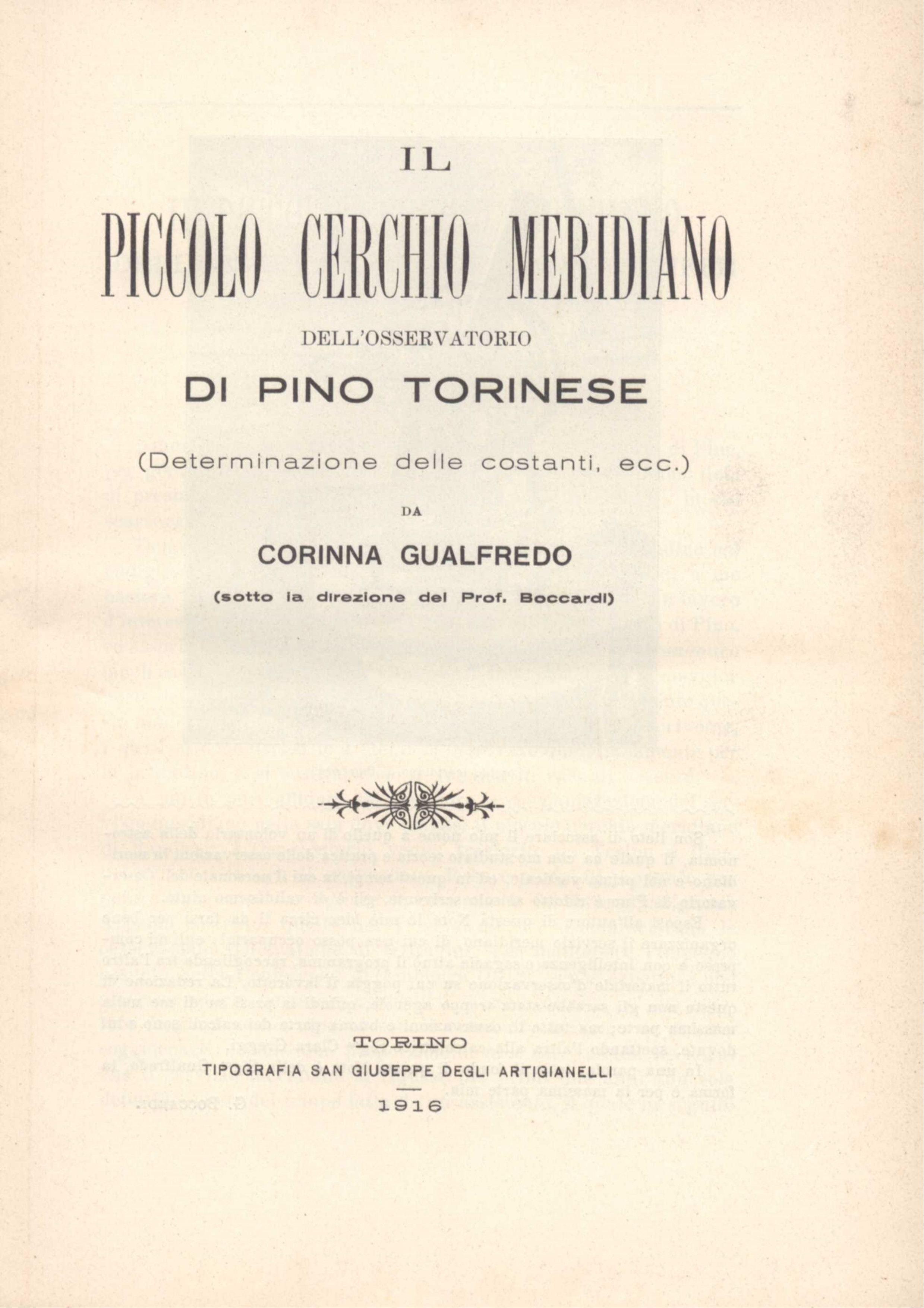
The drastic shortage of male personnel due to the Libyan War, the Great War, and the Spanish flu eventually forced the institution to rely on Corinna Gualfredo. Formally hired as a custodian, Gualfredo actually performed delicate calibrations and scientific observations. When she published a technical note and was listed ahead of the tenured astronomers in the author credits, a fierce staff revolt erupted. This institutional scandal, combined with Boccardi’s progressive blindness, led to the traumatic end of his directorship in 1923.
Women returned to the Observatory only in the 1940s with the group consisting of Demichelis, Tedeschini, and Lagutaine, who managed to produce astrophysics amidst bombings and requisitions by the German army, before another twenty-year vacuum that only finally ended on a permanent basis in 1966.
These lines are part of research conducted by the author, Gabriella Bernardi, among original historical documents and sources of the era: from the Yearbooks of the Royal Observatory of Turin and the University of Studies, to the payroll books of the Turin university, down to the personal files of employees preserved in the Observatory Archive and the student career records and exam minutes kept at the University’s Historical Archive. The results of this investigation are closely tied to the research featured in the volume The Unforgotten Sisters (Springer editions), and this excerpt represents a preview of a more extended article published in the September 2026 issue of the Giornale di Astronomia of SAIT.
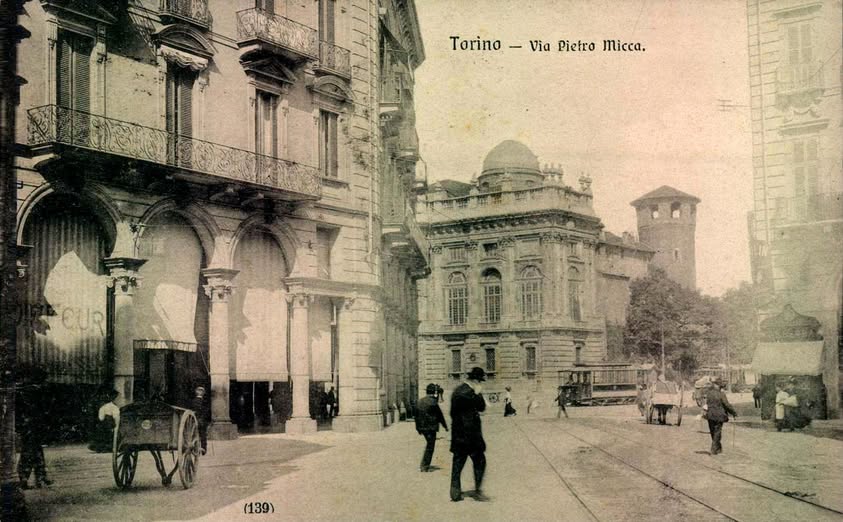
Torino – Via Pietro Micca. |
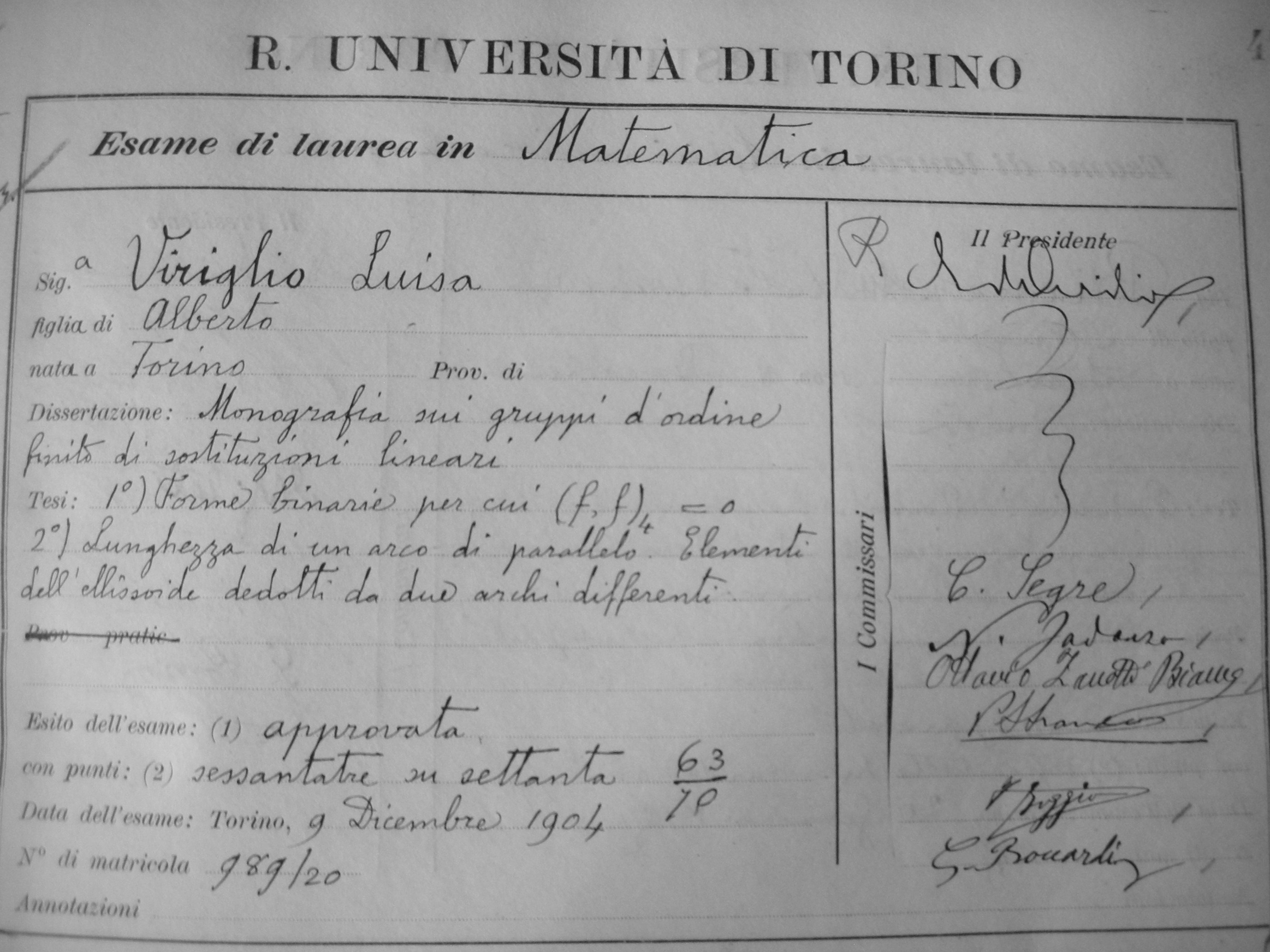
The entry, in the official register of the University of Turin, recording
|
|---|---|
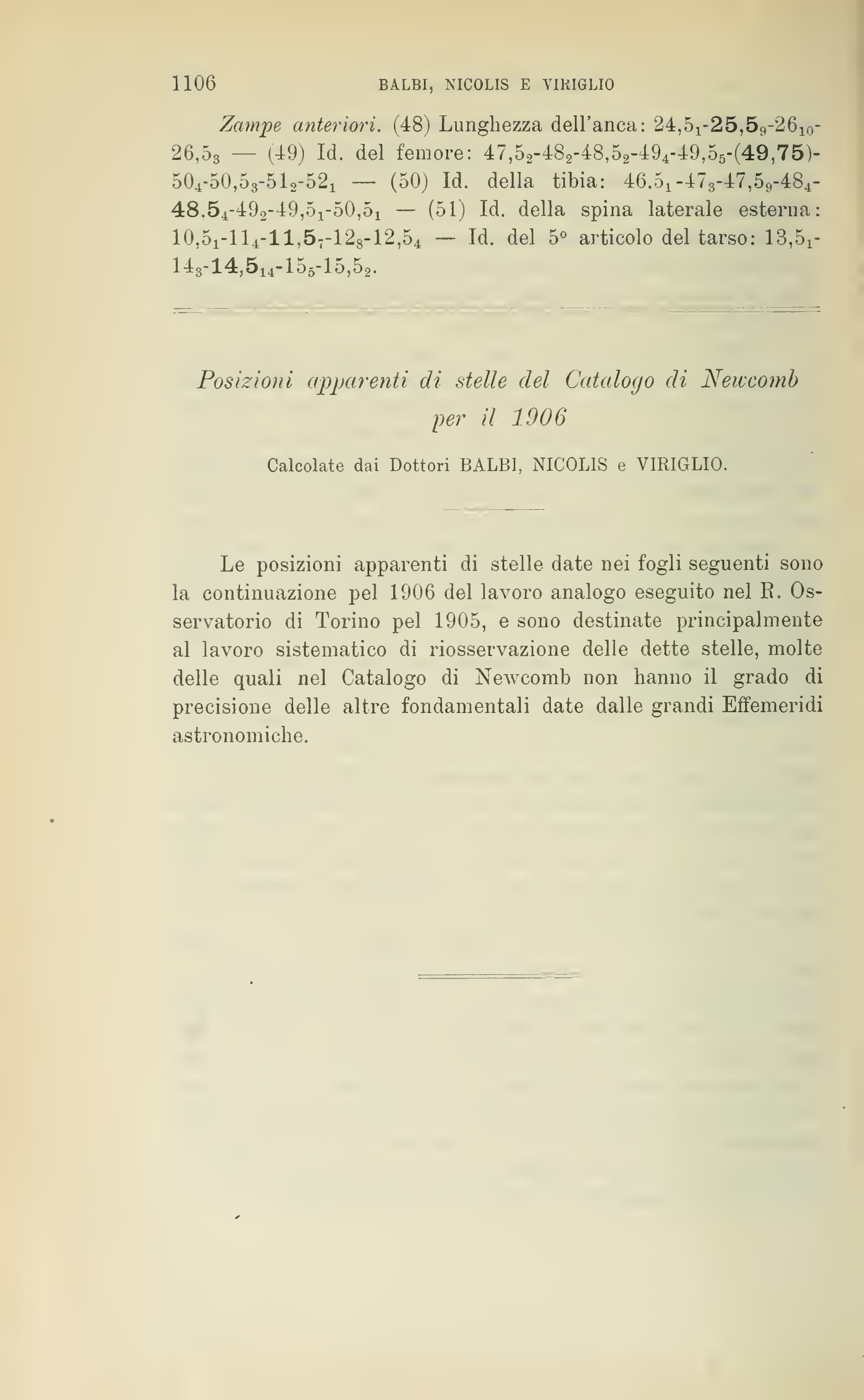
First page of the paper co-authored by Dr Viriglio
|
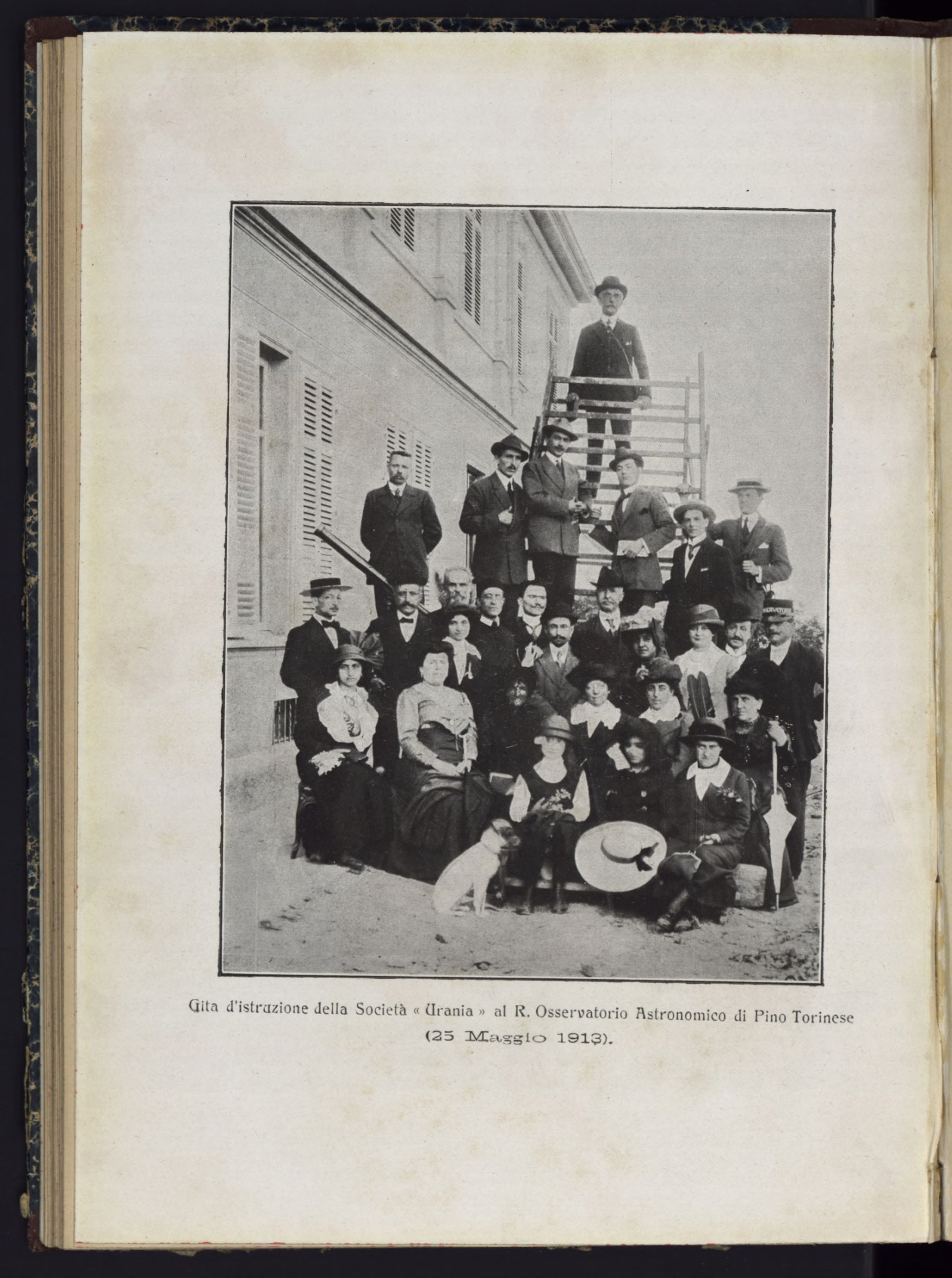
Back on 25 May 1913, the Royal Observatory was the destination for the
|
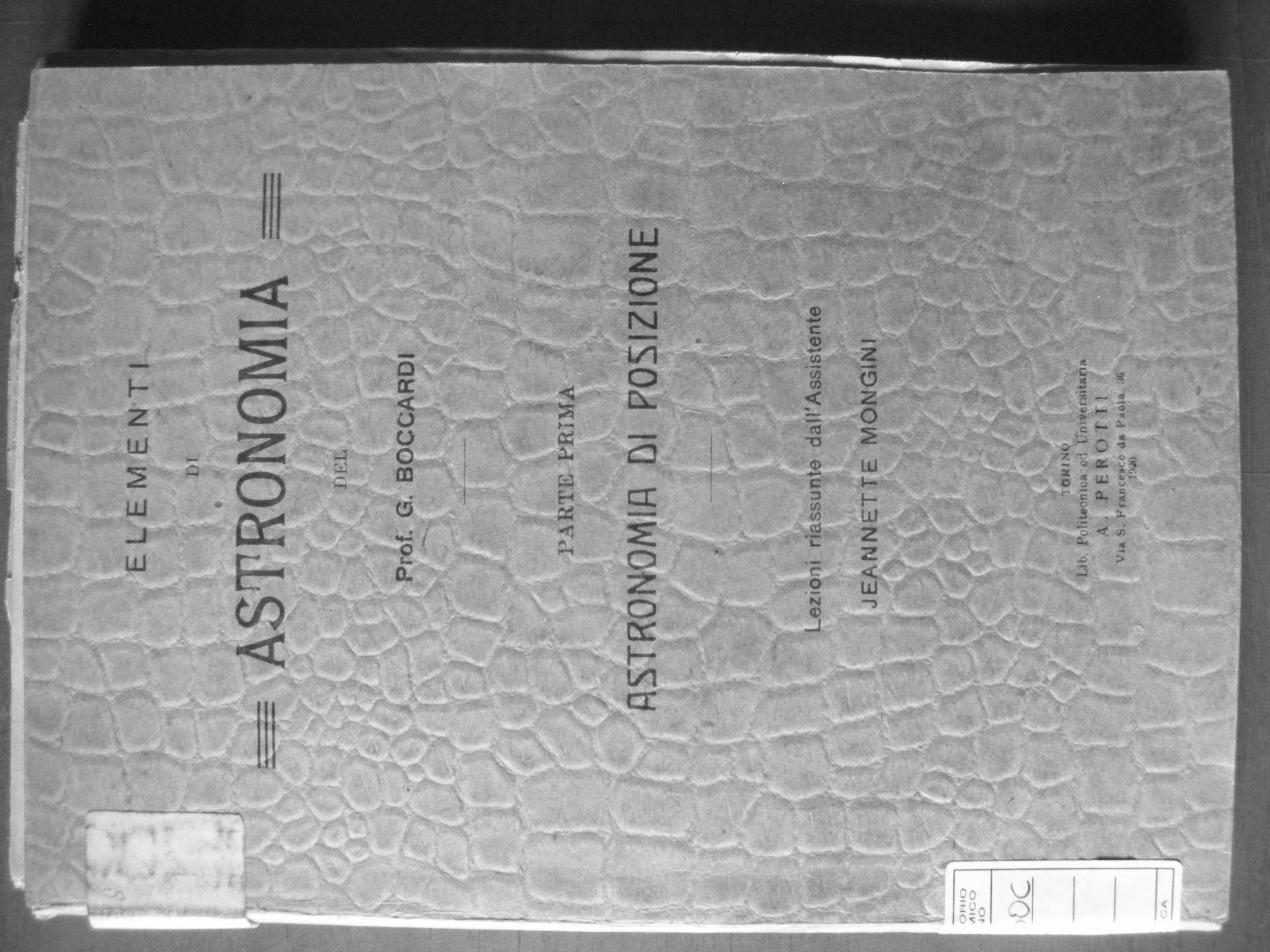
Title page of the manuscript of the lecture notes for the university course
|
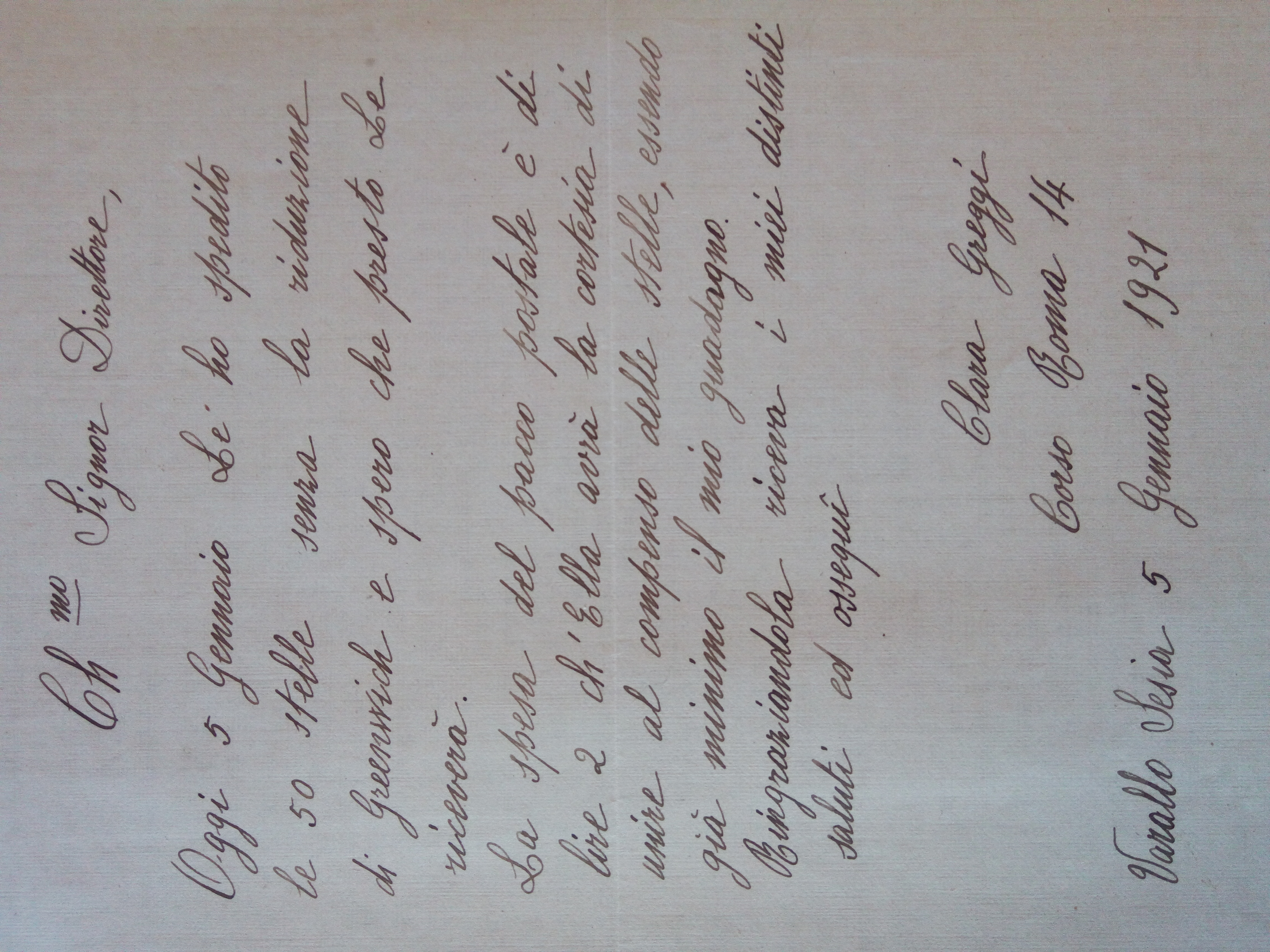
Letter sent by Clara Greggi from Varallo Sesia to Father Boccardi
|
|
|
|---|